
Beyond the Event: The Power of Permanent Weight Loss
We have all been there. You have a wedding, a beach vacation, or a high school reunion on the calendar, and suddenly you are on a mission. You slash your calories, spend hours on the treadmill, and skip meals just to fit into a specific outfit.
But what happens the Monday after the big event?
For most people, the restriction ends, the weight rushes back, and the cycle starts all over again. Shifting your mindset away from "event-based dieting" toward permanent, sustainable weight loss completely alters your relationship with your body. Choosing a slow, lifestyle-driven approach is far healthier for your physical body and significantly easier to maintain for the rest of your life.
The Hidden Health Dangers of "Yo-Yo Dieting"
When you crash diet for a short-term goal, you usually experience weight cycling—frequently called yo-yo dieting. Your weight drops rapidly, then shoots back up. While it might seem harmless to lose and gain the same 10 pounds, clinical research shows this pattern is incredibly stressful for your internal organs.
Cardiovascular Strain: Studies show that repeated weight fluctuations significantly increase the risk of cardiovascular disease, stroke, and heart failure. Constant cycling causes dangerous fluctuations in blood pressure and heart rate, which damages blood vessels over time.
Metabolic Havoc: Rapidly losing weight through extreme restriction forces your body to lose precious lean muscle mass alongside body fat. Muscle burns more calories at rest than fat does. When you lose muscle, your resting metabolic rate drops, making it much easier to regain weight even when eating normal amounts of food later on.
Hormonal Chaos: Extreme dieting triggers an evolutionary survival response. Your body spikes your hunger hormones (like ghrelin) and plummets your fullness hormones (like leptin). These hormonal shifts can last for over a year after a crash diet, leaving you feeling constantly starved.
Why Permanent Weight Loss is Healthier for Your Body
When you lose weight permanently, your biology reacts with gratitude rather than panic.
Keeping your weight stable protects your heart, preserves your muscle mass, and keeps your metabolism running efficiently. Clinically speaking, sustainably reducing your body weight by just 5% to 10% and keeping it off yields massive health benefits:
Drastically improves insulin resistance and blood sugar levels.
Lowers blood pressure and improves cholesterol profiles.
Reduces chronic inflammation throughout the entire body.
Relieves pressure on joints, decreasing the risk of osteoarthritis.
Building a Lifestyle You Actually Enjoy
The secret to permanent weight loss is simple: If you cannot see yourself eating this way or moving this way five years from now, it is not sustainable. Permanent weight loss is not about willpower; it is about building flexible, frictionless habits.
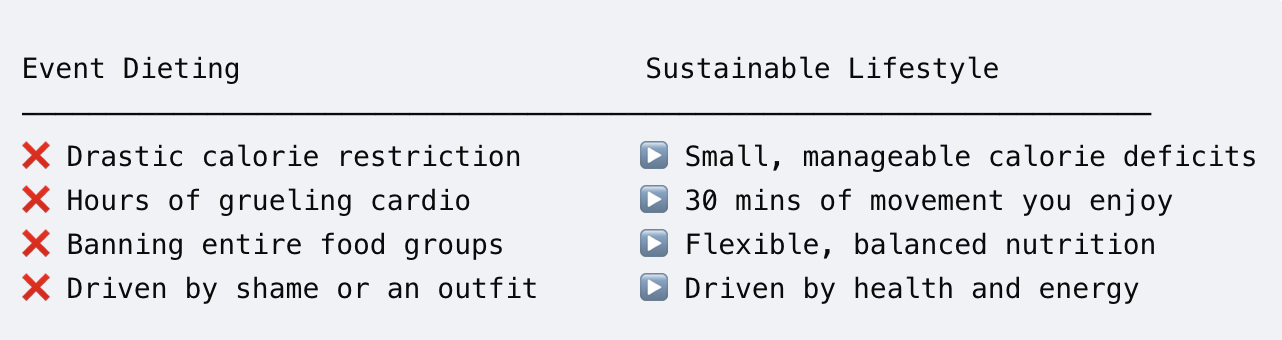
To transition into a permanent lifestyle mindset, focus on these three sustainable pillars:
Prioritize Protein and Whole Foods: Instead of focusing on what to cut out, focus on what to add. Diets rich in lean protein, fiber, and whole grains naturally keep you full, curb cravings, and protect your muscle tissue.
Move for Strength and Longevity: Do not use exercise as a punishment for eating. Combine standard aerobic movement (like brisk walking) with strength training twice a week. Building muscle is your best defense against a slowing metabolism.
Embrace the "Identity Shift": Successful long-term weight maintenance happens when healthy habits become part of who you are, not just something you are forcing yourself to do.
Stop dieting for a specific date on the calendar. Give your body the time, patience, and consistency it needs to build a healthier, happier life permanently.
Sources
Cardiovascular Risks of Weight Cycling: Systematic Review on Body-Weight Fluctuation and CVD Risk - PMC
Metabolic Impacts of Crash Dieting: Metabolic Consequences of Weight Reduction - StatPearls
Preserving Muscle Mass: The Role of Physical Activity and Strength Training - NCBI
Healthy Rates of Weight Loss: Sustainable Weight Loss Guidelines - Maven Clinic